Best Unsecured Credit Cards for Bad Credit Reviews: Which Cards Help You Rebuild — and Which Ones Eat Your Limit?
A bad-credit card can rebuild your file — or quietly charge you for the word “approved.”
You came here to find a card that helps, not a card that eats your limit with fees before you even use it. This page compares unsecured cards for bad credit and clearly labels secured or credit-builder alternatives so you do not confuse access with value.
Start with the lowest total cost you can qualify for. No deposit is nice. Low fees, useful reporting, and a payment plan matter more.
Fast answer: start with these first
Editor’s blunt answer
Start with the lowest-fee card you can qualify for. A rebuilding card should help you prove on-time payments, not punish you before the first statement closes.
Chime and Current are not traditional unsecured cards. They are included because they may be safer than paying high fees for no-deposit access.
The card image is not the decision. The fee table is. If fees consume the limit, the card can hurt your rebuild before it helps.
- Check prequalification first when available.
- Read annual fee, monthly fee, APR, and credit limit before accepting.
- Use the card to build history, not to carry debt.
Why this review is built differently
Most bad-credit card pages make approval feel like the prize. This page starts with the bill you might get after approval.
Best first click by your situation
Skip the card-name guessing. Start with your real problem.
Compare updated credit card reviews
This comparison is rebuilt for readability. Each row keeps the card image, name, type, score, fee, and warning in separate lanes so nothing crashes into the text.

Mission Lane Silver Line Visa®
Best cleaner unsecured option
People rebuilding who may qualify for a no-annual-fee unsecured card
Approval and exact terms depend on income, credit history, and the offer you receive.

Capital One Platinum Mastercard®
Best no-annual-fee unsecured card for fair credit
People who can qualify for fair-credit unsecured approval without paying an annual fee
It is not marketed as a bad-credit card. If approval odds are weak, check pre-approval before applying.
Secured Chime Visa® Credit Card
Best no-interest credit-builder path
People who want to build credit using money they already have
You need a Chime account. It does not give you a preset borrowing limit like a normal credit card.
Current Build Card
Best debit-style credit-builder alternative
People who want credit-building without interest, a hard pull, or a normal revolving balance
It is a secured/alternative card, not a classic unsecured credit card. Rewards and account setup have caveats.
Avant Credit Card
Best fair-credit bridge
People with fair or rebuilding credit who want an unsecured card without a deposit
Avant lists a 35.99% APR for direct website approvals at the time checked. Carrying a balance can get expensive fast.
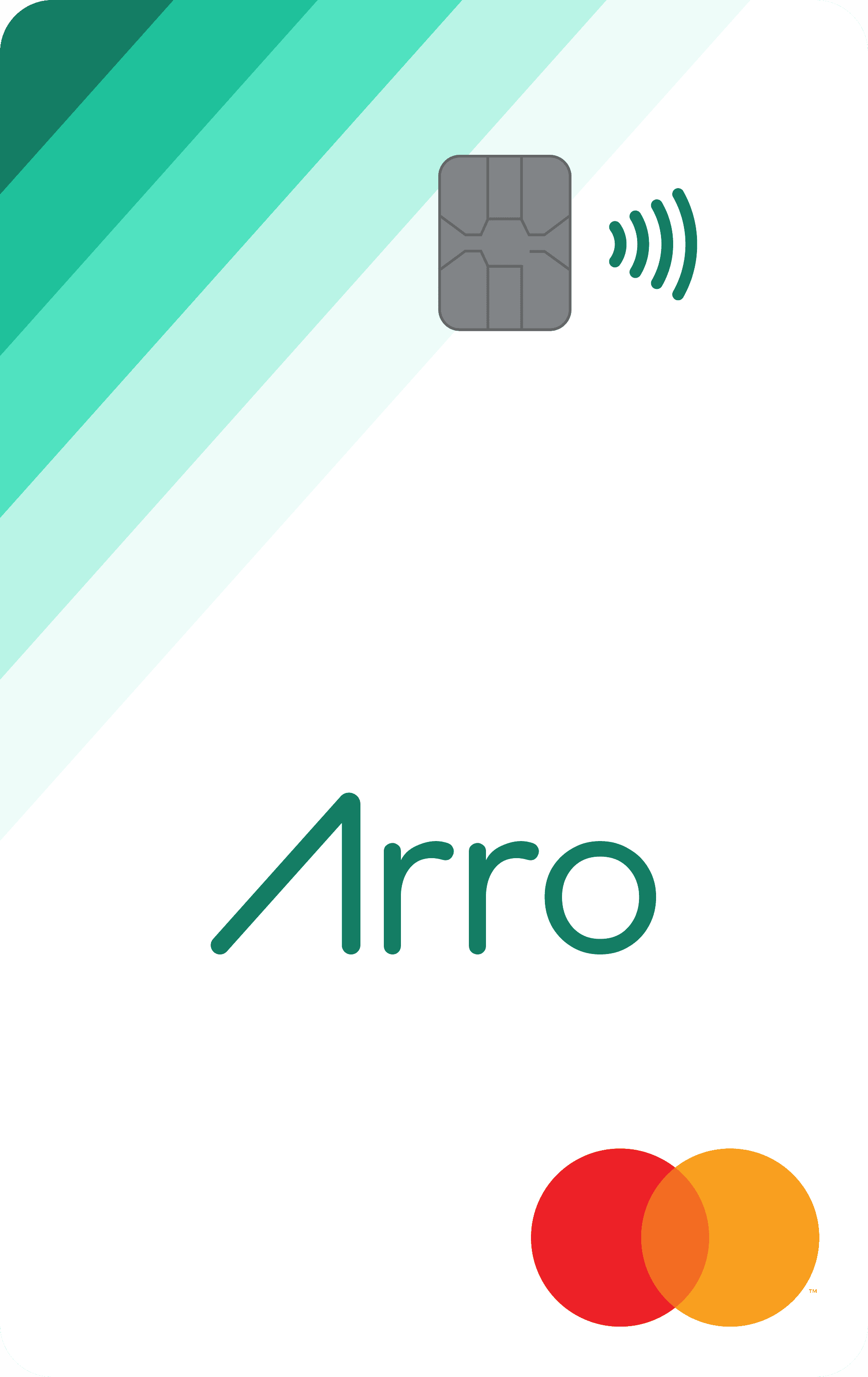
Arro Card
Best app-guided credit-builder card
People who want app-based credit building and can justify the membership fee
It reports to Experian and Equifax, not all three bureaus according to the Arro page language found. The annual membership can be up to $60.
Destiny Mastercard®
Best only if no deposit matters most
People who need an unsecured rebuilding card and can avoid carrying a balance
Do not apply just because there is no security deposit. High fees can erase the benefit.
Milestone Mastercard®
Best only after fee review
People rebuilding who are comparing unsecured options and understand the fee risk
If the card charges too much before you even use it, pass.
Indigo Mastercard®
Best only if the offer is fair
People considering an unsecured card after being denied elsewhere
Skip if the annual fee or monthly fees eat too much of your available credit.
First PREMIER Bank Credit Card
Most expensive — avoid unless truly last resort
Only for readers who have no cheaper approval path and understand every fee
Official agreements show fees can be assessed before and after account opening and reduce available credit. Read the Schumer box before paying any program fee.
How the review score works
A rebuilding card does not win because it says yes. It wins when the yes is affordable.
| Cost | Lower annual and monthly fees score better because small credit limits leave less room for mistakes. |
|---|---|
| Approval path | Soft-check or no-credit-check paths score better than blind hard-pull applications. |
| Credit reporting | Three-bureau reporting helps only when payments stay on time and balances stay low. |
| Card type | Secured and credit-builder cards are judged as safer alternatives, not traditional unsecured cards. |
| Exit value | A card should help you graduate to better terms, not trap you in fees. |
Competition-standard checks
Top review pages do three things well: show the card clearly, explain who it is for, and warn you before the fee hurts.
Real-life scenarios: which card path makes sense?
Use these like a mirror. The right card should match your budget on a bad week, not your mood on approval day.
What changed in this rebuild
The page now works like a real review page instead of a loose list of cards.
Full reviews with clean card images
Mission Lane Silver Line Visa®
Plain-English take: People rebuilding who may qualify for a no-annual-fee unsecured card
- No annual fee
- Unlimited 1.5% cash back
- Starting line up to $3,000
- Soft-check prequalification
- Not guaranteed for bad credit
- Exact approval terms vary
- May not be available to every applicant
Capital One Platinum Mastercard®
Plain-English take: People who can qualify for fair-credit unsecured approval without paying an annual fee
- $0 annual fee
- No security deposit
- Capital One pre-approval flow
- Automatic credit-line review
- Fair-credit positioning may be too high for some rebuilders
- No rewards
- APR can be high if you carry a balance
Secured Chime Visa® Credit Card
Plain-English take: People who want to build credit using money they already have
- No annual fee
- No interest
- No credit check to apply
- Reports to three major bureaus
- Requires Chime account
- Not a traditional revolving credit card
- Limit depends on funds moved into the secured account
Current Build Card
Plain-English take: People who want credit-building without interest, a hard pull, or a normal revolving balance
- No annual fee
- No credit check
- No APR structure like a normal card
- Reports to three major bureaus
- Requires Current account
- Not a normal revolving card
- No direct upgrade path noted in review coverage
Avant Credit Card
Plain-English take: People with fair or rebuilding credit who want an unsecured card without a deposit
- No security deposit
- Credit limit range up to $3,000
- Soft qualification check
- Issued by WebBank
- High APR
- Possible annual membership fee
- Not a rewards-first card
Arro Card
Plain-English take: People who want app-based credit building and can justify the membership fee
- No hard inquiry
- Up to $2,500 max line
- 1% cash back
- App-based financial education
- Membership fee up to $60
- Reports to two bureaus per current page language
- App-based model may not fit everyone
Destiny Mastercard®
Plain-English take: People who need an unsecured rebuilding card and can avoid carrying a balance
- No security deposit
- Reports to three bureaus
- No hard inquiry if not approved
- Mastercard acceptance in the U.S.
- Fees can be high
- No strong rewards case
- Not ideal for carrying balances
Milestone Mastercard®
Plain-English take: People rebuilding who are comparing unsecured options and understand the fee risk
- No security deposit
- Reports to three bureaus
- No score impact if not approved
- Designed for challenging credit
- Fees can outweigh value
- No rewards reason to spend
- Not a long-term keeper for many rebuilders
Indigo Mastercard®
Plain-English take: People considering an unsecured card after being denied elsewhere
- No security deposit
- Reports monthly to three bureaus
- No score impact if not approved
- Updated official card art
- Offer fees vary
- No strong rewards case
- Better options may exist if you can use a secured card
First PREMIER Bank Credit Card
Plain-English take: Only for readers who have no cheaper approval path and understand every fee
- May approve some applicants denied elsewhere
- Can report payment history
- Unsecured path
- Program fee can apply
- Annual and monthly fees can be high
- High APR
- Fees can reduce available credit immediately
Want help choosing the safer card path?
Use the quiz only if you want a simpler way to compare your next move: unsecured card, secured card, or wait.
Match cards to your real credit situation.
Avoid expensive approvals.
Use credit to rebuild, not dig deeper.
Common questions about unsecured credit card reviews
What is the best unsecured credit card for bad credit?
The best option is usually the lowest-fee unsecured card you can qualify for. Start with cleaner options like Mission Lane or Capital One Platinum if your profile fits. Treat fee-heavy cards like Destiny, Milestone, Indigo, and First PREMIER as terms-first decisions.
Are Chime and Current unsecured credit cards?
No. Chime and Current are secured or credit-builder alternatives. They are included because they may be safer than some high-fee unsecured cards, but they are not traditional unsecured credit cards.
Should I choose a secured card instead of an unsecured bad-credit card?
Choose secured or credit-builder if the unsecured option has high fees, a tiny usable limit, or a high APR you might carry. No deposit sounds easier, but low total cost matters more.
Will checking for approval hurt my credit?
Many cards use a soft-check, no-hard-inquiry, or no-credit-check path first. Read the wording carefully. A hard pull may happen when you accept an offer or submit a full application.
How should I use a bad-credit card after approval?
Use one small planned charge, set autopay, pay before the due date, and keep the balance low. The goal is clean payment history, not extra spending room.
Macy Carson
Macy writes plain-English credit card reviews for readers rebuilding after denials, collections, thin credit, high utilization, or fee-heavy offers. Her review process puts the reader’s cost, approval odds, and next clean step before any card hype.
Sources
- Mission Lane Silver and Gold Line Visa public pages for current card art, credit lines, cash-back rates, no-annual-fee details, and prequalification language.
- Avant Credit Card public page and support pages for credit limit range, APR range, annual membership fee range, and qualification language.
- Destiny, Milestone, and Indigo official public pages for current card art, no-hard-inquiry-if-not-approved language, unsecured-card positioning, and three-bureau reporting claims.
- Capital One compare page for Platinum Mastercard annual fee, fair-credit positioning, pre-approval language, and official card art.
- Chime Card official page for no annual fee, no interest, no credit check, Chime account requirement, reporting to three bureaus, and secured-account mechanics.
- Arro official page and support center for up-to-$2,500 max line, 24.99% starting APR, annual membership up to $60, 1% cash back, no-hard-inquiry language, and reporting details.
- Current support and review coverage for Build Card mechanics, $0 annual fee, no credit check, no APR, and three-bureau reporting.
- First PREMIER credit card agreements and current review coverage for program fees, annual fees, monthly fees, APR, and fee warnings.
- Competitor benchmark review: top review pages from NerdWallet, Credit Karma, WalletHub, Experian, and Forbes were checked for review layout patterns, fee disclosure expectations, product-type clarity, and comparison UX.
- Image source pass: card visuals now use real product image URLs from issuer/product pages or major review coverage; generated card art was removed.
- Final image correction note: Milestone was restored from the correct Milestone card visual. Current Build and First PREMIER visuals were embedded as base64 images from local product-image assets, preventing broken hotlinks.